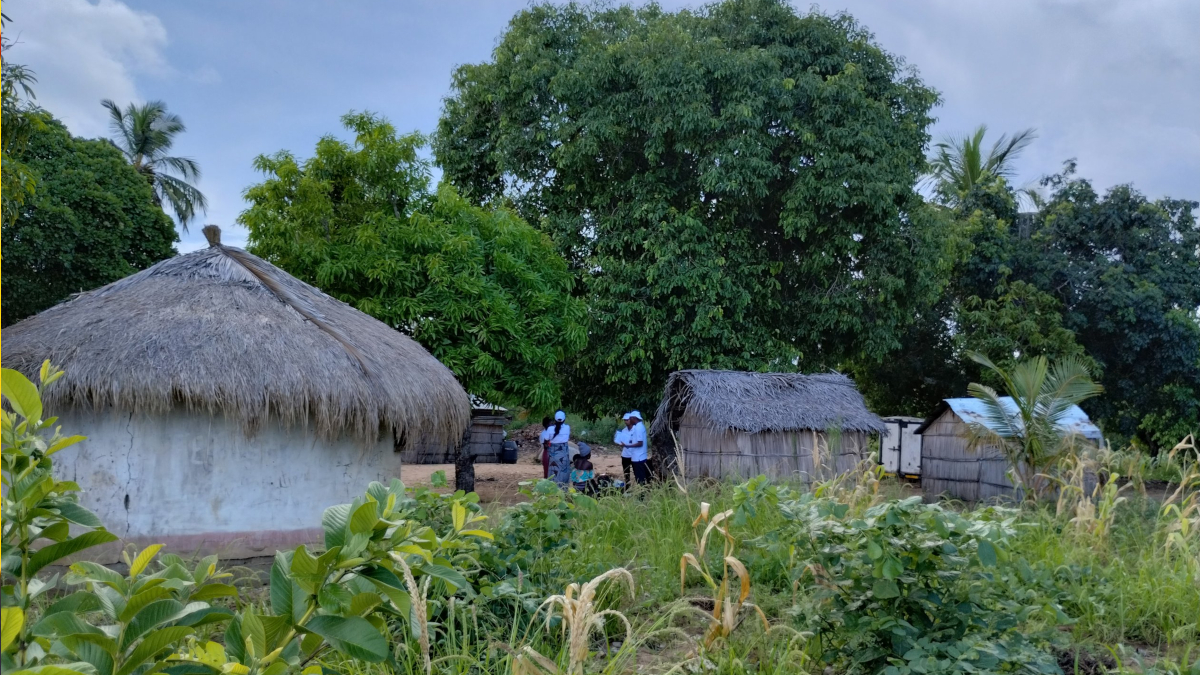
A new study published in Insects explores the times when malaria mosquitoes are most actively seeking hosts in the Manhiça district of rural Mozambique, revealing important insights for improving mosquito surveillance strategies. The research shows that traditional methods of monitoring mosquito activity may not fully align with local daylight cycles, which can vary by more than two hours across different regions of Africa. Because both mosquito behavior and human activity are influenced by sunrise and sunset times, the authors suggest adjusting surveillance schedules to better reflect actual daylight patterns. These refinements could help collect more actionable data for malaria control and elimination programs.